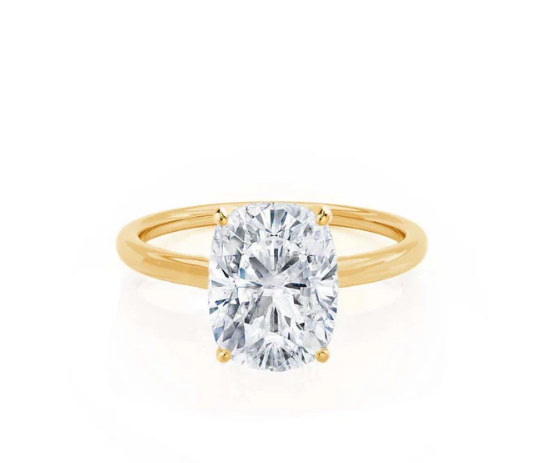
In the world of fashion, the art of accessory design has evolved into a fusion of creativity, precision, and dedication. Whether it’s a finely crafted piece of jewelry or a beautifully tailored leather bag, the importance of craftsmanship cannot be overstated. Craftsmanship, especially when coupled with unwavering dedication, transforms simple materials into exceptional works of art that stand the test of time. One notable example of this ethos is found in the work of designers such as Lily Arkwright, whose commitment to quality and innovation has significantly impacted the accessory design landscape. By focusing on meticulous craftsmanship, designers can elevate the functionality and aesthetic value of their creations, ultimately enriching the accessory industry as a whole.
Craftsmanship, at its core, is the skill and artistry involved in creating something by hand or with meticulous attention to detail. It’s a labor-intensive process that goes beyond mass production, where each piece is individually crafted to perfection. When applied to accessory design, craftsmanship takes on a deeper meaning. It’s not just about creating a functional item, but about embedding artistry, history, and value into every stitch, cut, and polish. In this regard, craftsmanship gives accessories their unique character, setting them apart from generic, mass-produced alternatives.
One of the defining qualities of craftsmanship is the time and effort that designers put into their creations. The process of designing an accessory with a commitment to craftsmanship requires a deep understanding of materials, techniques, and design principles. Designers often spend hours—sometimes even days—working on a single piece to ensure it meets their standards of excellence. Whether it’s selecting the finest gemstones, working with rare fabrics, or refining intricate detailing, every decision contributes to the overall quality of the accessory. This dedication to excellence is what makes crafted accessories stand out in a crowded market.
The impact of craftsmanship in accessory design is also seen in how it enhances the longevity and durability of a product. Unlike cheaply made items that may wear down after a few uses, well-crafted accessories can last for years, often improving in character with age. High-quality leather, for instance, develops a rich patina over time, while meticulously set gemstones maintain their sparkle and beauty. Craftsmanship ensures that each piece is built to endure, making it a timeless addition to any wardrobe. This focus on durability not only elevates the accessory’s value but also speaks to the designer’s respect for their craft and for the customer.
Moreover, craftsmanship plays a crucial role in the ability to imbue an accessory with a unique identity. Each handcrafted piece carries the signature of its maker, making it one-of-a-kind. This personal touch is something mass-produced accessories simply cannot offer. By taking the time to create a design that reflects individual creativity and vision, craftsmen can produce pieces that resonate on a deeper level with consumers. This sense of individuality is increasingly valued in a world where consumers are looking for more than just functional items; they want pieces that reflect their personal style and values.
The benefits of craftsmanship extend beyond the consumer experience; they also have a profound impact on the accessory industry as a whole. Designers who dedicate themselves to perfecting their craft set a standard for quality that encourages others to do the same. This, in turn, raises the overall level of design within the industry and fosters a culture of excellence. As more designers and artisans commit to honing their skills and improving their techniques, the entire field of accessory design becomes richer and more innovative. Craftsmanship serves as the backbone of this evolution, driving forward new trends and inspiring fresh ideas.
In conclusion, the dedication to craftsmanship is what enriches accessory design. Through meticulous attention to detail, a focus on quality, and a commitment to longevity, craftsmanship ensures that each piece tells a story and holds intrinsic value. Designers who embrace this ethos, like Lily Arkwright, continue to redefine what is possible in the world of accessory design, creating timeless pieces that are not only beautiful but also enduring. By appreciating the role of craftsmanship in design, consumers can invest in accessories that stand the test of time—both in style and quality.